Introduction
Motor graders play a vital role in earthmoving projects for:
✓ Site leveling
✓ Road base shaping
✓ Slope grading
✓ Trench excavation
This guide covers essential safety protocols and best practices for optimal motor grader performance.
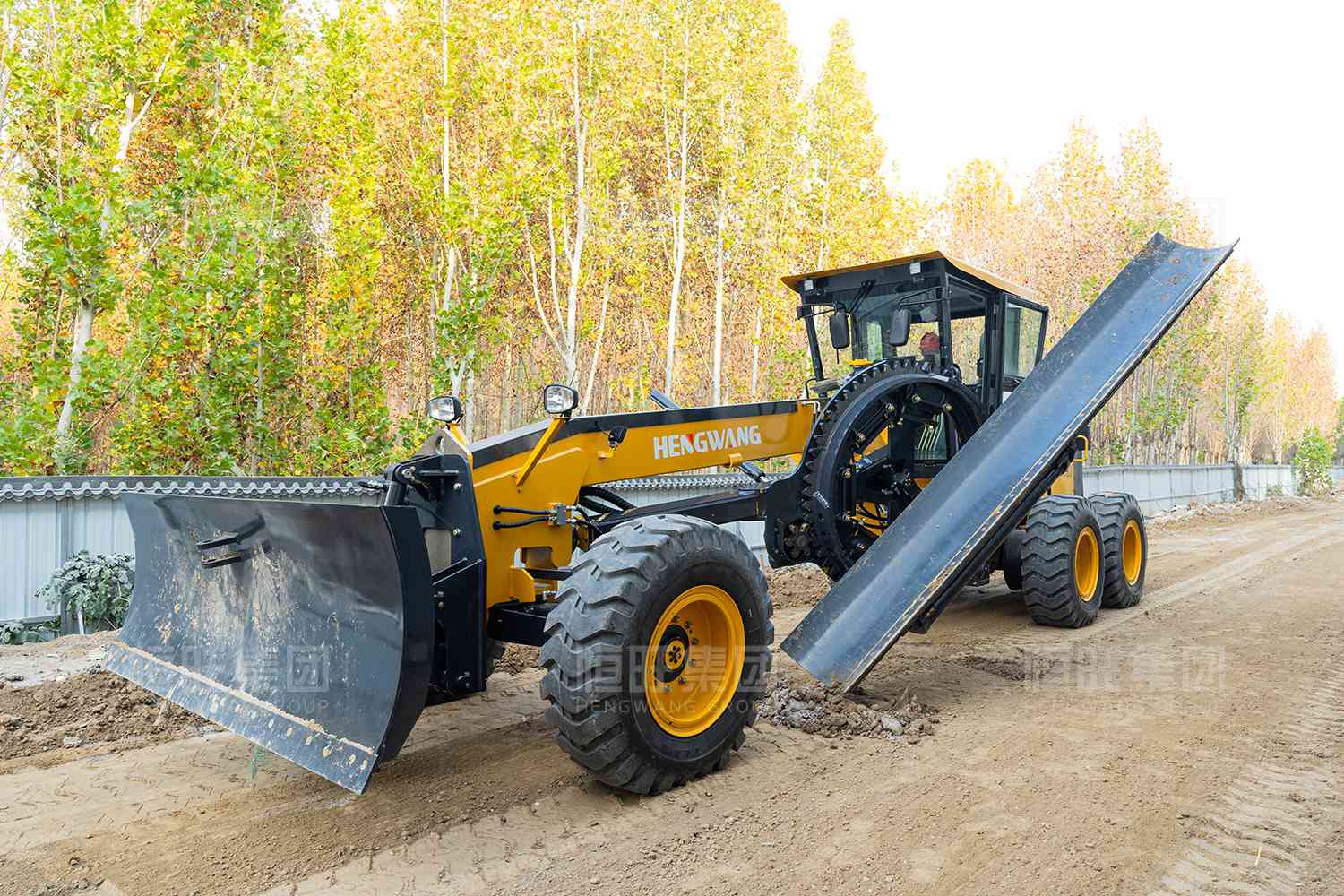
Pre-Operation Safety Checks
1. Site Assessment
Clear obstacles within 50m radius
Mark underground utilities
Install warning signage
2. Equipment Inspection
✔ Hydraulic system pressure test
✔ Blade wear evaluation
✔ Tire pressure/thread inspection
✔ Brake responsiveness check
3. Operational Prep
Review grading plans
Plan efficient work paths
Test communication devices
Safe Operation Procedures
1. Standard Protocols
Maintain safe blade-to-body clearance
Limit speed to 10km/h max
Avoid sharp turns on slopes
2. Hazard Management
Immediate shutdown for warning alarms
Reduce load by 30% in wet conditions
Use spotters in complex terrain
3. Personnel Safety
No personnel within 5m radius
Operator seatbelts mandatory
Activate warning lights for night work
Post-Operation Maintenance
1. Proper Parking
▪ Park on level, stable surfaces
▪ Lower blade completely
▪ Disconnect main power
2. Routine Care
Remove blade buildup
Check hydraulic fluid levels
Lubricate pivot points
Log performance data
Professional Recommendations
Break-in Period: Operate at 80% capacity for first 200 hours
Preventive Maintenance: Replace hydraulic filters every 500 hours
Weather Protection: Enhance electrical checks during rainy seasons
Performance Benefits:
30%+ productivity improvement
50% fewer breakdowns
3-5 year lifespan extension
For optimal motor grader performance, schedule professional servicing every 250 operating hours.